FGMN Nursery
Green Lacewing Eggs
Green Lacewing Eggs
No se pudo cargar la disponibilidad de retiro
Compartir
Want to Stop Aphids Without Spraying? Let These Hatch First.
Sprays are short-term. Lacewing eggs are strategy.
If you’re done reapplying oils or watching pests rebound days after treatment, green lacewing eggs offer a better way forward. Each egg hatches into a fast-moving, soft-bodied-pest killer—a lacewing larva, nicknamed the “aphid lion.”
They hunt constantly for 2–4 weeks, targeting aphids, thrips, whiteflies, and more—without harming pollinators, plants, or beneficial soil life.
Green Lacewing Eggs
Chemical-Free Pest Suppression That Builds Over Time
Unlike instant-release larvae, lacewing eggs hatch slowly over several days, delivering a more measured, sustained release of predatory pressure.
That makes them ideal for:
-
Preventing outbreaks before they escalate
-
Following up after sprays or fast-acting predators
-
Scaling from small indoor grows to greenhouses and orchards
What They Treat
| Pest | Stage Targeted |
|---|---|
| Aphids | All life stages |
| Mealybugs | Crawlers and early nymphs |
| Thrips | Larvae and adults |
| Spider mites | Opportunistic feeders |
| Whiteflies | Eggs, nymphs, and adults |
| Other soft-bodied insects | Caterpillars, eggs, and more |
Note: Lacewing larvae are generalist predators—they’ll eat just about anything soft-bodied and small enough to catch.
Why Use Lacewing Eggs?
| Feature | What It Solves |
|---|---|
| Extended hatch window | Ongoing suppression without overloading the canopy |
| No sprays or residue | Perfect for organic and no-till systems |
| Hands-off scaling | Apply once, hatch over time |
| IPM-compatible | Stacks with cucumeris, Orius, or ladybugs |
| Safe | No impact on pollinators, pets, or plants |
If you’ve been looking for a non-spray option to control aphids or thrips, this is it.
How They Work
-
Eggs hatch in 2–7 days (timing depends on temperature)
-
Larvae begin feeding immediately—injecting digestive enzymes and sucking pests dry
-
Feeding continues for 2–4 weeks before pupation
-
Adults emerge, mate, and lay the next generation of eggs—if pest levels remain
How Many You Need
| Use Case | Rate |
|---|---|
| Preventative coverage | 1 egg per sq. ft. monthly |
| Active infestations | 1 egg per 3 sq. ft. weekly |
| Large-scale growing | 5,000–10,000 eggs per acre, adjusted based on crop density |
If you’re unsure, go heavier in high-density zones or areas with pest history.
Choose Your Format
| Format | Best For |
|---|---|
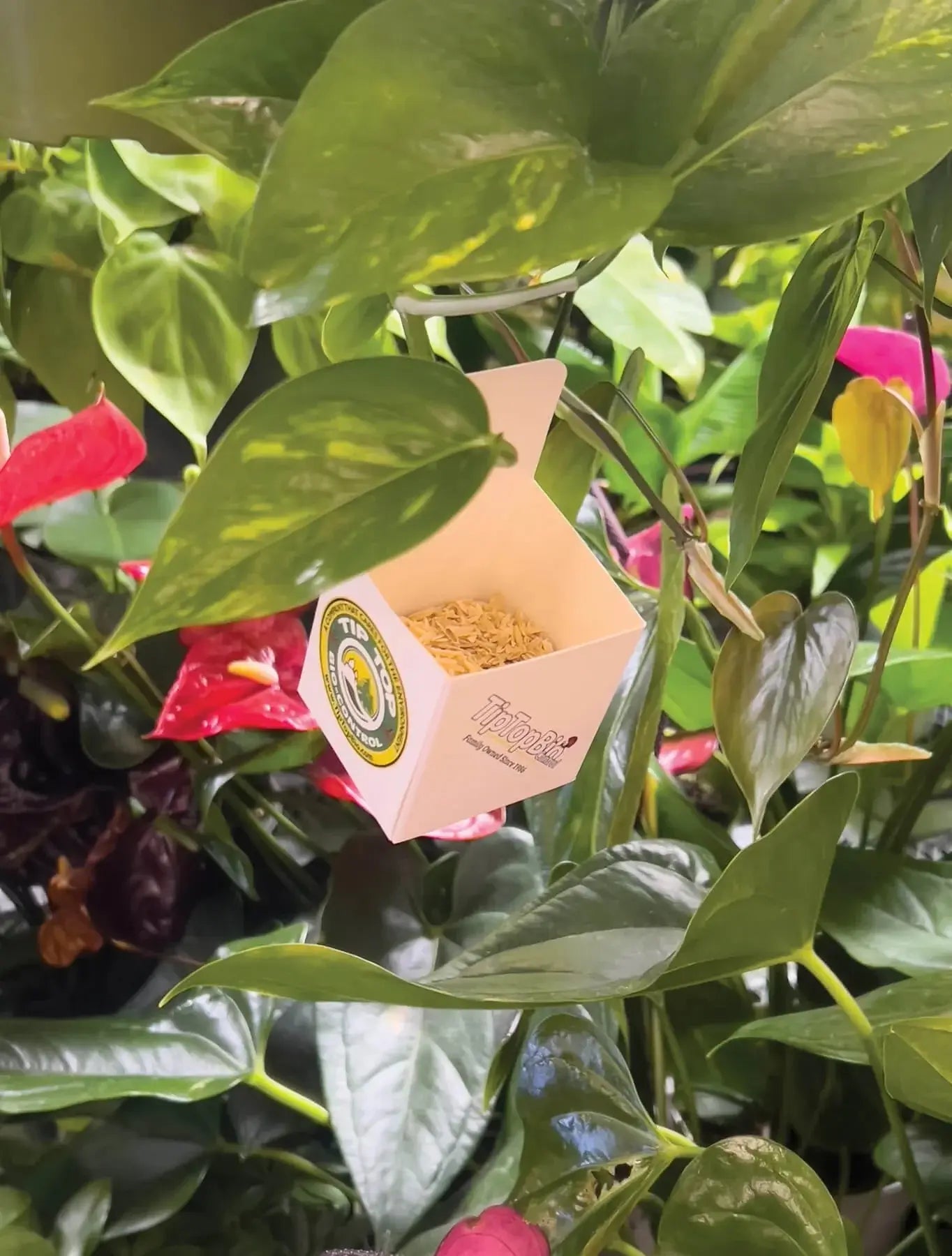
| Eggs in rice hulls | Use included hanging release boxes (great for larger spaces) |
| Eggs on cards | Hang directly near pest clusters (ideal for focused applications) |
Box Count Guide
-
1K–2.5K eggs = 5 boxes
-
5K = 10 boxes
-
10K = 15 boxes
Pro Tips
-
Introduce early—don’t wait for pest explosions
-
Avoid pesticides 7 days before and after release
-
Keep temperatures between 60–95°F and moderate humidity for best hatch rates
-
Add a Good Bug Diet if pest levels are low—gives larvae something to feed on while hunting ramps up
-
Works well as a follow-up to lacewing larvae, Orius, or ladybugs
Shipping & Storage
-
Ships live with fresh hatch timing
-
Store at 50–60°F for up to 14 days
-
Do not freeze or overheat
-
Use immediately after removing from cold
-
Allow up to 7 days for full hatch depending on conditions