FGMN Nursery
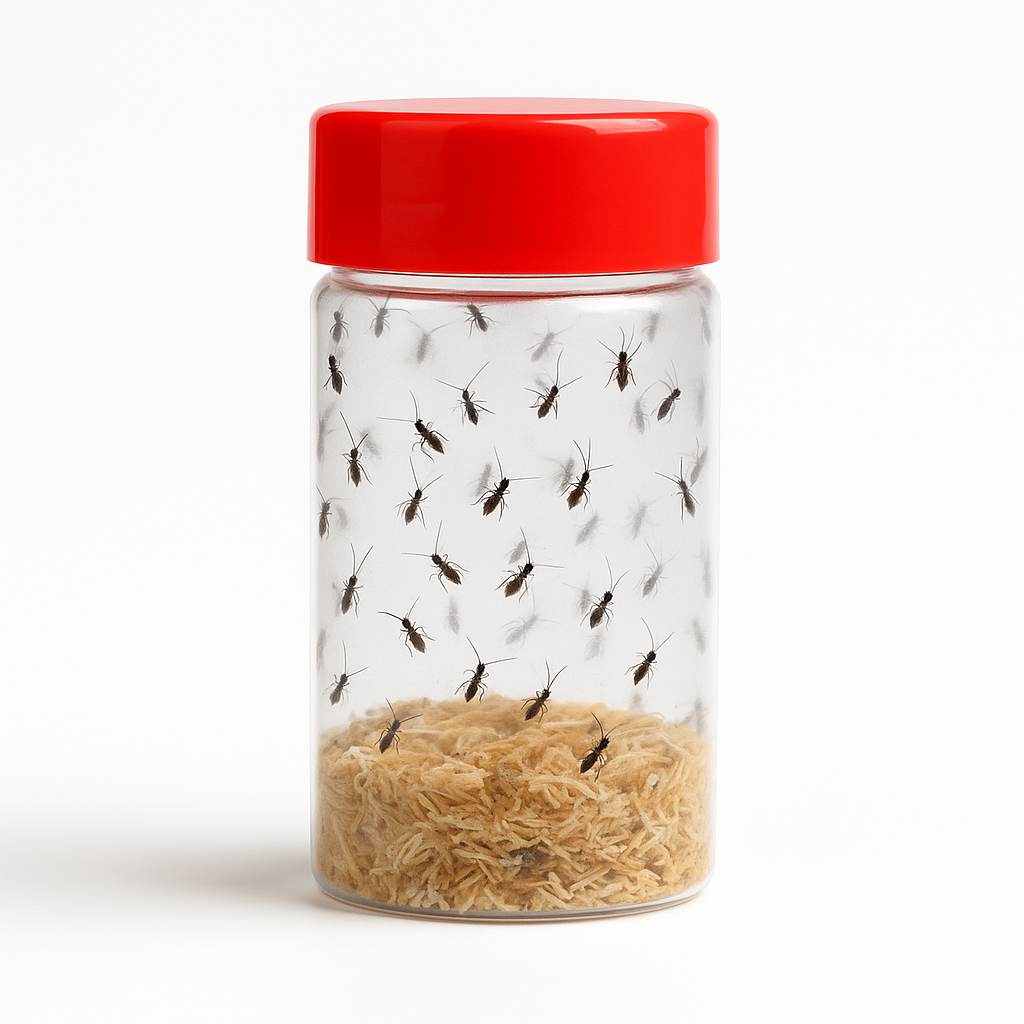
Aphid Triple Mix
Aphid Triple Mix
No se pudo cargar la disponibilidad de retiro
Compartir
Overrun by Aphids? You Don’t Have Time to ID 4,000 Species.
This mix handles it for you.
Instead of gambling on one parasitoid or trying to identify aphids under a loupe, this three-wasp combo covers a wide range of species and sizes—from melon aphids to potato aphids to rose aphids. Whether you're growing indoors or out, this is your aphid treatment plan in a bottle.
Aphid Parasitoid Wasp Mix
Biological Control for Green Peach, Foxglove, Melon, Potato, and Other Common Aphids
This curated blend includes:
-
Aphidius colemani – Targets smaller aphids like green peach, melon, and cotton aphids
-
Aphidius ervi – Handles larger species like foxglove, potato, and tobacco aphids
-
Aphelinus abdominalis – The long-term generalist; slower to establish but longer lived and persistent
Together, they offer early knockdown and longer-term suppression—without needing to know which aphid species you're dealing with.
How They Work (And Why It’s Effective)
These are parasitoids, not predators. They don’t eat aphids outright—they inject eggs into them.
| Stage | Activity |
|---|---|
| Days 0–2 | Adults locate and sting aphids |
| Days 2–5 | Eggs hatch and larvae feed internally |
| Day 5+ | Aphids swell and turn tan or black (mummification) |
| Day 7–10 | New wasps emerge from mummies and restart the cycle |
You’ll see aphid mummies before live aphids disappear. That’s how parasitoids work: quiet, cumulative, and lethal.
What It Treats
| Aphid Type | Example Hosts |
|---|---|
| Green peach aphids | Peppers, ornamentals, leafy greens |
| Melon aphids | Monstera, cucurbits, citrus |
| Cotton aphids | Ornamentals, vegetables, cannabis |
| Foxglove aphids | Houseplants, bedding plants |
| Potato aphids | Tomatoes, peppers, solanaceous crops |
| Rose aphids | Roses, viburnums, perennial ornamentals |
| Unknown aphid infestations | Mixed setups, greenhouses, display cabinets |
When to Use
-
You see aphids forming colonies on stems or undersides of leaves
-
You’re dealing with multiple aphid species
-
You’ve used ladybugs or lacewings but the aphids returned
-
You want control that works indoors, outdoors, or in protected environments
-
You want biological control without sprays
How to Apply
| Step | Instruction |
|---|---|
| Release Rate | 1–5 mummies per 10 sq. ft., weekly for 2–3 weeks |
| Timing | Best used at the first sign of aphids |
| Application | Gently shake the bottle near infested plants, or use a soft brush to distribute |
| Placement | Even distribution near pest zones—do not dump in one spot |
| Ideal Conditions | 65–77°F for optimal function (but range is 50–86°F) |
Storage:
-
Adults: Use immediately
-
Pupae: Store up to 48 hours at 39–46°F if needed
Where This Mix Performs Best
-
Indoor setups: greenhouses, grow tents, cabinets, living walls
-
Outdoor gardens: raised beds, fruit trees, ornamentals
-
Mixed aphid infestations: when ID is uncertain or multiple species are present
-
High-value crops: where pesticide use is restricted or undesirable
How You’ll Know It’s Working
-
You start seeing aphid mummies—bloated, tan or black husks on the plant
-
Aphid populations stop increasing, even if some are still visible
-
You spot tiny wasps hovering near infested zones
-
New plant growth appears with less distortion or sticky residue
Results take 5–10 days to show visibly, but the suppression keeps compounding over time.
Safe for Everything But the Aphids
-
No sprays, no residue, no chemical drift
-
Zero re-entry interval
-
Won’t harm pollinators, predatory mites, pets, or people
-
Fully IPM-compatible and organically approved
-
Works across both edible and ornamental plants