FGMN Nursery
Neoseiulus californicus Prevention Sachets
無法載入取貨服務供應情況
分享
Treating Spider Mites in Hot, Dry Conditions? This Is Built for That.
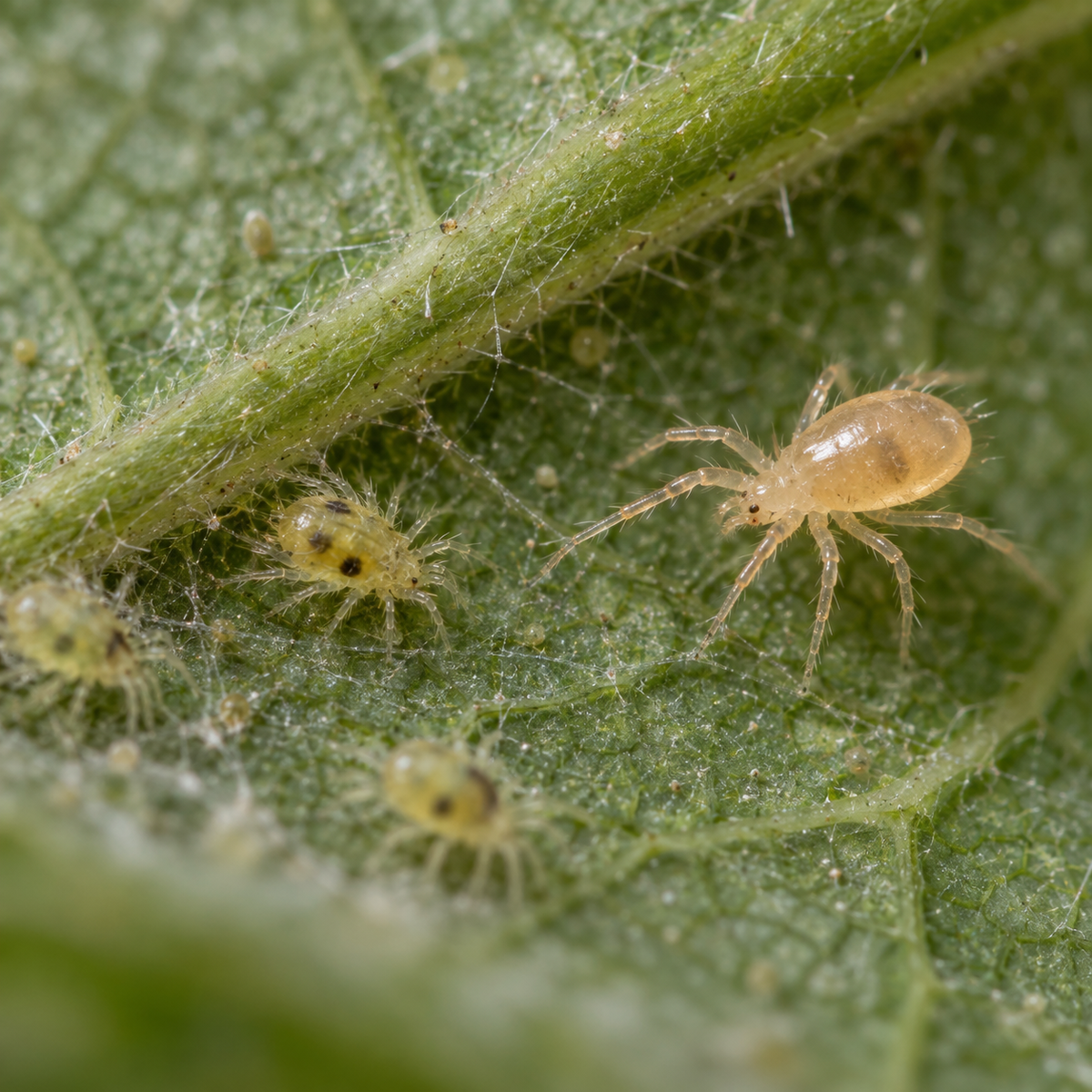
If your space runs hot, your humidity won’t hold, or your plants are between flare-ups, Amblyseius californicus is the mite that won’t quit.
These slow-release sachets deploy one of the most resilient predatory mites available—built specifically for environments where others stall out. They won’t knock down an active infestation overnight, but they will prevent one from creeping back in when your climate works against you.
Amblyseius californicus Sachets
Spider Mite Prevention for Hot, Dry, Low-Prey Environments
Each sachet releases eggs, juveniles, and adult californicus mites gradually over 2–4 weeks. Unlike fast-burst species like persimilis, californicus works slowly and steadily—even when prey levels are low or conditions get rough.
What It Helps Prevent
| Pest | Where It Hits |
|---|---|
| Spider mites (Tetranychus urticae, T. cinnabarinus, etc.) | In hot, dry, or inconsistent setups |
| Broad mites | Especially effective under low pressure |
| Russet mites | Good for prevention between outbreaks |
| Other small pest mites | Covers multiple families, especially when prey is sparse |
If your grow tent hits 85°F+ during the day, or your greenhouse drops to 40% RH, this is the mite that still shows up for work.
When to Use A. californicus Over Other Mites
| Scenario | Go With Californicus If... |
|---|---|
| You’re growing in a hot or dry environment | Most other mites slow down—californicus doesn’t |
| You’ve already knocked down spider mites | Use this to prevent resurgence |
| You’re between pest waves | Maintains low pressure during quiet periods |
| You don’t have high humidity or daily misting | Tolerates tough indoor or greenhouse conditions |
Not for Active Infestations
If you're already seeing webbing, bronzing, or rapid spread, sachets won’t move fast enough.
Start with:
-
Persimilis Bottles – fast spider mite knockdown
-
Special Blend Bottles – if you’re also seeing broad or russet mites
Then follow up with californicus sachets to hold the line long-term.
How to Use
| Setup | Application |
|---|---|
| Single plants | 1 sachet per plant |
| Dense canopy or rows | 1 sachet every 2–3 feet |
| Reapply | Every 2–4 weeks based on climate and pest risk |
-
Do not open sachets—mites exit through the micro-perforated vent
-
Hang near the canopy, but away from mist lines or direct irrigation
-
Replace more frequently during peak pest cycles or in high-heat zones
Best Conditions
| Factor | Performance |
|---|---|
| Temperature | Functions from 68–90°F; best above 85°F |
| Humidity | Works better than most in low humidity (40–60%) |
| Light | Suitable under grow lights or natural conditions |
| Airflow | Tolerates drier airflow zones where other mites underperform |
This is one of the few predatory mites that continues performing when your grow space looks more like a desert than a rainforest.
Choose Your Brand
| Brand | Best For |
|---|---|
| Tip Top Bio-Control | Excellent for typical grow tents and nursery cycles |
| Koppert “Plus” Sachets | Optimized for low humidity, dry rooms, and variable emergence timing |
Both are packed fresh in the U.S. and contain the same number of mites per sachet.
Pro Tips
-
Use after treatment to keep spider mites from returning
-
Great for seasonal transition periods or inconsistent HVAC
-
Combine with bottles if pressure starts climbing
-
Avoid sprays—even organic residue can reduce release rates
-
Don’t expect visual “results”—this is background suppression, not a visible hunt
Safe for Everything but Mites
-
Non-toxic
-
Safe for pets, people, pollinators, and sensitive plants
-
Leaves no residue
-
No re-entry interval
-
Compatible with living soil and organic systems
Shipping & Storage
-
Ships with live delivery guarantee
-
Use immediately upon arrival
-
Store at 50°F for up to 48 hours if needed
-
Do not freeze or expose to dry air