


FGMN Nursery
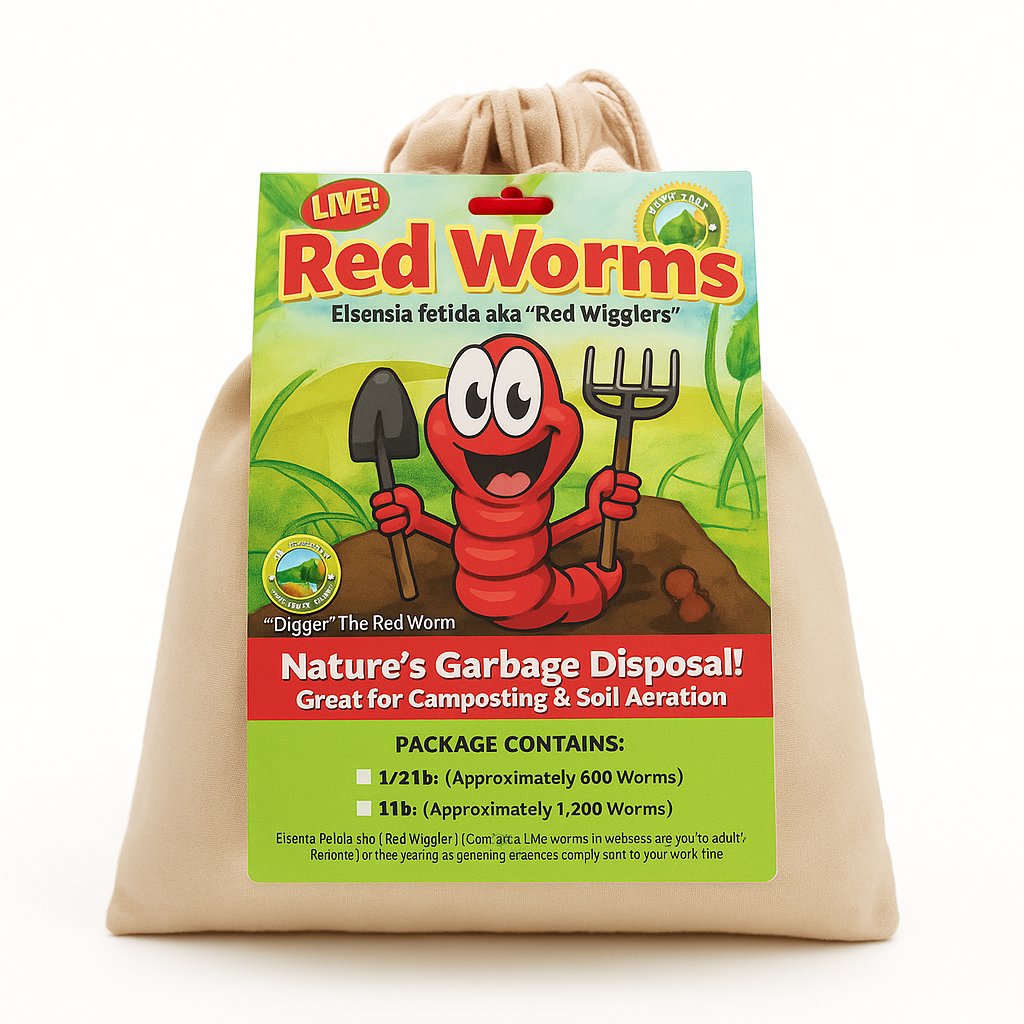
Composting Red Wriggler Worms
Composting Red Wriggler Worms
無法載入取貨服務供應情況
Compost Like Nature Intended
Eisenia fetida | Red Wigglers for Vermicomposting and Living Soil
Red wigglers aren’t just worms. They’re surface-dwelling, waste-reducing, castings-producing machines that transform organic matter into biologically active fertilizer. If you're building a compost system, feeding a raised bed, or cultivating living soil, these are the engineers you want underground.
Each Eisenia fetida colony is raised in controlled, optimized conditions and shipped with active bedding to reduce transplant stress. Once in place, these worms work continuously—breaking down waste, cycling nutrients, and improving soil structure from the top down.
Why Red Wigglers?
Unlike deep-burrowing species like Lumbricus terrestris, Eisenia fetida is epigeic—a surface-dwelling worm adapted to thrive in dense, oxygen-rich environments. That makes them perfect for:
-
Indoor or outdoor vermicompost bins
-
Raised garden beds and planter boxes
-
Living soil systems for tropicals and aroids
-
Soil restoration projects or compost-heavy mixes
These worms feed on decomposing plant matter and carbon sources (cardboard, mulch, etc.) and can consume up to half their body weight per day, producing castings packed with:
-
Nitrogen, phosphorus, and potassium
-
Humic acids
-
Plant-available micronutrients
-
Beneficial microbes that enhance nutrient cycling and root uptake
Worm Bin 101: How to Keep Them Thriving
| Parameter | Recommendation |
|---|---|
| Temperature | 55–77°F preferred |
| Moisture | Bedding should feel like a wrung-out sponge (damp, not soggy) |
| pH Range | 6.0–7.0 is ideal |
| Food to Avoid | Citrus, onions, garlic, greasy foods, spicy scraps |
| Food to Use | Coffee grounds, vegetable peels, leafy greens, eggshells (crushed), cardboard |
| Population Growth | Worms can double every 60–90 days under ideal conditions |
Keep bedding aerated and bury food scraps under the surface to minimize fruit flies. If your pH drifts acidic, balance with crushed eggshells or garden lime.
Which Size Should You Start With?
| Option | Best For |
|---|---|
| 250 Worms | Countertop bins, small-scale trials |
| 500 Worms | 10–18 gallon bins, apartment composters |
| 1,000 Worms | Outdoor systems or higher-volume cycling |
| 2,000 Worms | Jump-starting larger systems or bulk waste processing |
All variants ship with nutrient-rich bedding that contains juveniles, adults, and cocoons—a self-expanding colony, not a static starter pack.
Shipping & Handling
-
Shipped in breathable containers with moist bedding
-
Open immediately upon arrival
-
If not ready to transfer to bin: store in a cool (not cold), dark area for up to 24 hours
-
Rehydrate bedding if dry
-
Do not freeze or leave exposed to heat or sunlight
These are living organisms. Treat them like it—and they’ll transform your waste into something far more valuable.


We offer fast and free shipping on most orders over $75 and $8.99 under $75. Orders are typically processed within 1-2 business days and delivered within 3-5 business days unless specified. Expedited shipping options and all pricing options are available at checkout if applicable.
We accept returns within 30 days of purchase. Items must be unused and in original packaging. To initiate a return, please contact our customer service team. Refunds will be processed within 5-7 business days after we receive your return.
Comparison Shop
Comparing Shop Made Easy: Discover new Made in the USA farms and brands for the best products based on price and features. Build your cart or Gift Registry for Free Shipping over $75. Click the "compare" checkbox where applicable.


